The Practical Omnichannel Campaign Blueprint: From Impressions to Engagement

Understanding omnichannel marketing is one thing. Engineering a campaign that makes all the channels work together is another. Let’s use Brando Wellness to illustrate how marketers can turn five individual advertising tactics into one coordinated audience experience. The objective is simple: Introduce the brand, build familiarity, reinforce the message, create engagement, and establish an ongoing relationship.

Phase 1: Discovery and First Engagement
Channel: Native Advertising
Objective: Introduce the brand and generate qualified website visits.
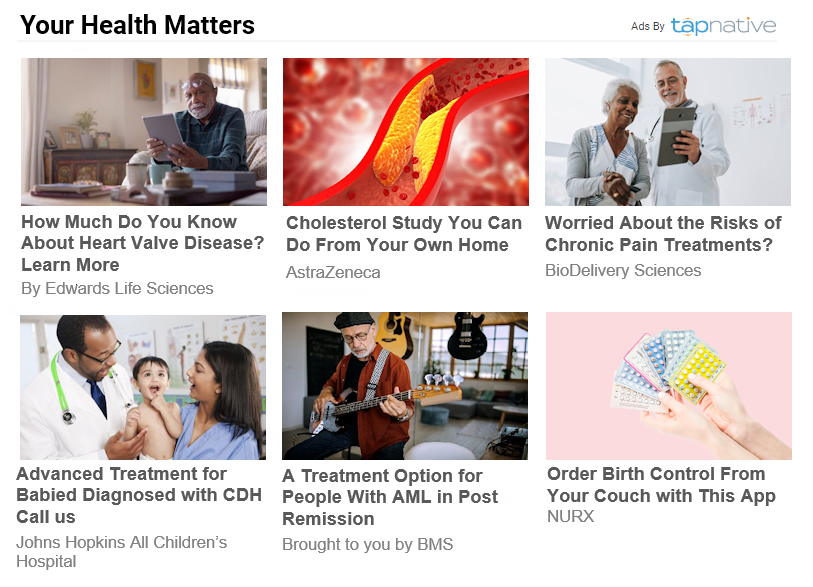
Brando Wellness launches native advertisements across relevant health, wellness, and lifestyle publishers. The creative focuses on a compelling educational message: “Small Daily Changes Can Lead to a Healthier, Brighter You.” Rather than immediately selling a product, the advertisement invites consumers to discover useful information. The destination is a content-rich landing page designed to educate, establish credibility, and encourage further exploration.
Success metrics: Click-through rate, cost per qualified visitor, engaged sessions, content consumption, and landing-page engagement.
Phase 2: Recognition and Message Reinforcement
Channels: Programmatic Display and Online Video
Objective: Build brand familiarity and reinforce the original message.
Eligible audiences who previously engaged with Brando Wellness begin seeing coordinated display and video advertising across the open web, subject to applicable privacy and consent requirements. Instead of repeating the original native advertisement, the creative evolves. One advertisement reinforces the importance of everyday wellness. Another introduces the brand’s educational resources. A short video communicates the brand’s philosophy. Each impression contributes another piece of the story.
Success metrics: Incremental reach, frequency, video completion rate, brand lift, and return engagement.
Phase 3: Social Engagement and Community Building
Channels: Facebook, Instagram, YouTube, and Other Relevant Social Platforms
Objective: Convert initial interest into ongoing engagement.
Brando Wellness uses permitted platform targeting and audience-matching capabilities to reach eligible audiences with advertisements encouraging them to follow its social channels. The messaging shifts from discovery to relationship building. “Real Wellness. Real Life. Follow Brando Wellness for Everyday Inspiration.” Social platforms become places where the brand can continue providing educational content, helpful resources, and engaging stories.
Success metrics: Cost per follower, subscription rate, engagement rate, and returning audience activity.
Phase 4: Tangible Brand Reinforcement
Channels: Direct Mail, Educational Materials, and Permitted Samples
Objective: Create a memorable physical brand interaction.
For audiences who have affirmatively opted into postal communications, Brando Wellness sends a personalized postcard, educational guide, or appropriate product sample. The message is straightforward: “Thank you for connecting with Brando Wellness. We’re glad to be part of your wellness journey.” This experience does something another digital impression cannot. It places the brand directly into the consumer’s physical environment. The postcard may be displayed, saved, or shared. A useful educational resource may remain accessible for weeks. For healthcare professionals, appropriately authorized educational materials or compliant sample programs can reinforce clinical messaging.
Success metrics: Mail delivery rate, QR code engagement, offer redemption, incremental brand recall, and response rate.
Phase 5: Education and Long-Term Engagement
Channel: Permission-Based Email
Objective: Deepen engagement and encourage continued interaction.
Brando Wellness sends subscribers a coordinated series of educational emails. The first reinforces the brand’s core message. The second offers practical wellness tips. The third introduces additional resources and opportunities to engage. Each email builds on the experiences that came before it. Rather than treating email as another promotional blast, the brand uses it to develop a continuing relationship.
Success metrics: Click-through rate, content engagement, unsubscribe rate, repeat visits, and meaningful conversions.
Putting the Campaign Into Motion
The following is an illustrative campaign schedule, not a requirement that every individual receive every touchpoint.
| Timing | Channel | Primary objective |
|---|---|---|
| Days 1–7 | Native advertising | Discovery and qualified traffic |
| Days 3–21 | Display and video | Familiarity and reinforcement |
| Days 7–30 | Social advertising | Following and subscribing |
| Days 14–35 | Direct mail | Tangible brand reinforcement |
| Days 7–45 | Education and ongoing engagement |
The most effective execution will be driven by audience behavior and permission, not simply the calendar. A consumer who watches a video may receive a different follow-up message than someone who subscribes to a newsletter. Someone who has already converted should not continue receiving the same acquisition advertisements.
Healthcare marketers must also account for sensitive health information, platform restrictions, consent, and applicable privacy regulations. The five channels can work together without requiring a single identifiable profile of every patient across every platform.
Measure the Combination, Not Just the Channels
Here’s where the real learning begins. Rather than simply comparing native advertising against display or email against social media, marketers should test combinations of channels. For example:
| Test group | Advertising experience |
|---|---|
| Group A | Native advertising only |
| Group B | Native + display/video |
| Group C | Native + display/video + social |
| Group D | Native + display/video + social + permission-based email |
| Group E | Full five-channel experience, including consented direct mail |
These groups should be designed with comparable audiences, randomized assignment where feasible, and appropriate control groups. The objective is to determine whether each additional channel creates measurable incremental value, rather than merely claiming credit for engagement that would have happened anyway.
Marketers should evaluate total campaign cost, incremental qualified engagement, brand recall, and meaningful business outcomes. It’s entirely possible that the most effective campaign isn’t the one using all five channels. It may be a particular combination of three.
That’s the code marketers are trying to crack.

The Ultimate Goal: An Experience Greater Than the Sum of Its Parts
A successful omnichannel campaign isn’t measured by how many platforms carried the advertising. It’s measured by what the audience remembers, understands, and ultimately does. The most sophisticated healthcare marketers will continually experiment with different messages, formats, frequencies, and channel combinations to discover what produces the greatest incremental impact. They won’t simply ask, “Which channel performed best?” They’ll ask a much more valuable question:
“Which combination of experiences made our marketing work best?”
That is the difference between buying ads and engineering engagement. Playing with these combinations will help you “crack the code”.